


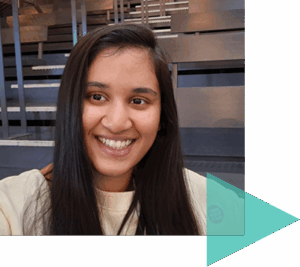
PALA TEJASWI
Data Science and Artificial Intelligence (Expected Year of Graduation: 2026)
Tejaswi Pala, a final-year Data Science & Artificial Intelligence student, shares how the Work Study Degree (WSDeg) programme gave her the opportunity to apply AI and machine learning in the banking sector through her placement with DBS. From overcoming technical and business challenges to developing confidence in her abilities, Tejaswi’s journey highlights the value of immersing in one organisation to build deep expertise.
WHAT MADE YOU CHOOSE TO PARTICIPATE IN THIS WORK STUDY DEGREE (WSDEG) PROGRAMME?
I first learned about the Work-Study Degree (WSDeg) Programme from the Career & Attachment Office (CAO) in my second year. I saw it as an excellent opportunity to apply classroom knowledge to real-world work. While some may view being attached to a one company as a limitation, I saw it as an advantage. With a clear career goal of becoming a Data Scientist, I wanted to focus on one organisation and immerse myself in developing strong, practical data science skills.
WHAT WERE YOUR MAIN RESPONSIBILITES AS AN INTERN?
I interned at DBS, where my main responsibility was to build AI/ML models based on business needs. So far, I have worked on a clustering model and a propensity-based AI/ML model, and experimented with other model types to strengthen my technical skills. To build soft skills, I lead the progress tracking of my projects and share updates during weekly check-ins with my manager. I also attended team meetings to gain exposure to other initiatives and understand how different projects align with broader business objectives. I also assisted with data analysis tasks, such as addressing business questions from the marketing team or rewriting scripts from one programming language to another.
WHAT WERE SOME CHALLENGES YOU FACED AND HOW DID YOU OVERCOME THEM?
I faced challenges working with unfamiliar technologies and having a limited initial understanding of the business context. My role required programming languages and tools that I was not yet proficient in, which made the early stages challenging. Also, coming from a non-business background, I found it difficult to understand DBS’s business priorities, making it difficult to determine which features to include in my project.
To overcome these challenges, I dedicated extra time practising with the new technologies and reading up on DBS’s key business areas. I was also fortunate to have a supportive team. My colleagues were always willing to share their knowledge and patiently answer my questions, which helped me adapt and learn quickly.
WHAT ARE YOUR KEY TAKEAWAYS FROM THIS PROGRAMME?
I have experienced significant growth both technically and personally. One of my greatest areas of development has been in my technical skills. During my internship, I had the opportunity to strengthen my coding abilities and pick up new programming languages and tools that were previously unfamiliar to me.
I also applied concepts from my coursework ranging from machine learning and data analysis to real-world projects, which deepened my understanding of how theoretical knowledge translates into real-world applications. More importantly, I gained valuable insight into how data is used to solve business problems and support decision-making within the organisation. This realisation showed me that understanding the business context behind data is something that cannot be learned from textbooks alone.
Beyond technical skills, I became more confident in communicating my ideas and explaining my work clearly during meetings. I also learned how to ask the right questions and sought help when needed and gained exposure to a work culture that values teamwork, feedback and continuous learning. These experiences shaped how I approach challenges and personal development.
Overall, the programme gave me a clearer understanding of what it is like to work as a data scientist in the banking industry. It strengthened my confidence and helped me develop good habits such as being proactive, staying organised and maintaining a learning mindset.
WHAT DO YOU LIKE ABOUT THIS INDUSTRY EXPERIENCE?
I appreciated seeing my personal growth over time. I started unsure if I could contribute meaningfully, but my confidence grew as my project progressed and was implemented.
This experience gave me insight into how the banking industry operates and how data drives decisions across the organisation. It strengthened my interest in data science and reaffirmed my decision to continue building my career in this field.
HOW DID CAO HELP YOU IN PREPARING FOR YOUR FUTURE WORK?
CAO’s career workshops such as LinkedIn profile management were very helpful. They taught me how to present myself professionally and understand what employers look for. The workshops provided practical tips for both online and in-person interviews, boosting my confidence. I appreciated how they covered small but important details that are often overlooked, such as how to position our laptop for virtual interviews and how the colour of our shirt can influence first impressions.
The NTU career fair was equally helpful, allowing me to speak directly with employers from various industries, explore job roles, and better understand employers’ expectations.
SHARE ADVICE WITH YOUR PEERS.
Start planning early and take a proactive approach towards your career goals. Attend CAO workshops and career fairs to understand employer expectations and explore career pathways. You could also schedule a session with your career coach for personalised guidance.
Have a clear goal to work towards, build your portfolio through internships or projects to gain practical experiences. Most importantly, believe in yourself. Many of us already have the abilities to succeed, but confidence is what helps us take the next step. Trust in your capabilities. You might be closer to your goal than you think!